
Waiting on that one-thing-a-day season in my COPD journey to pass
Your body will tell you when it’s time to slow down, but you just have to listen
Written by |
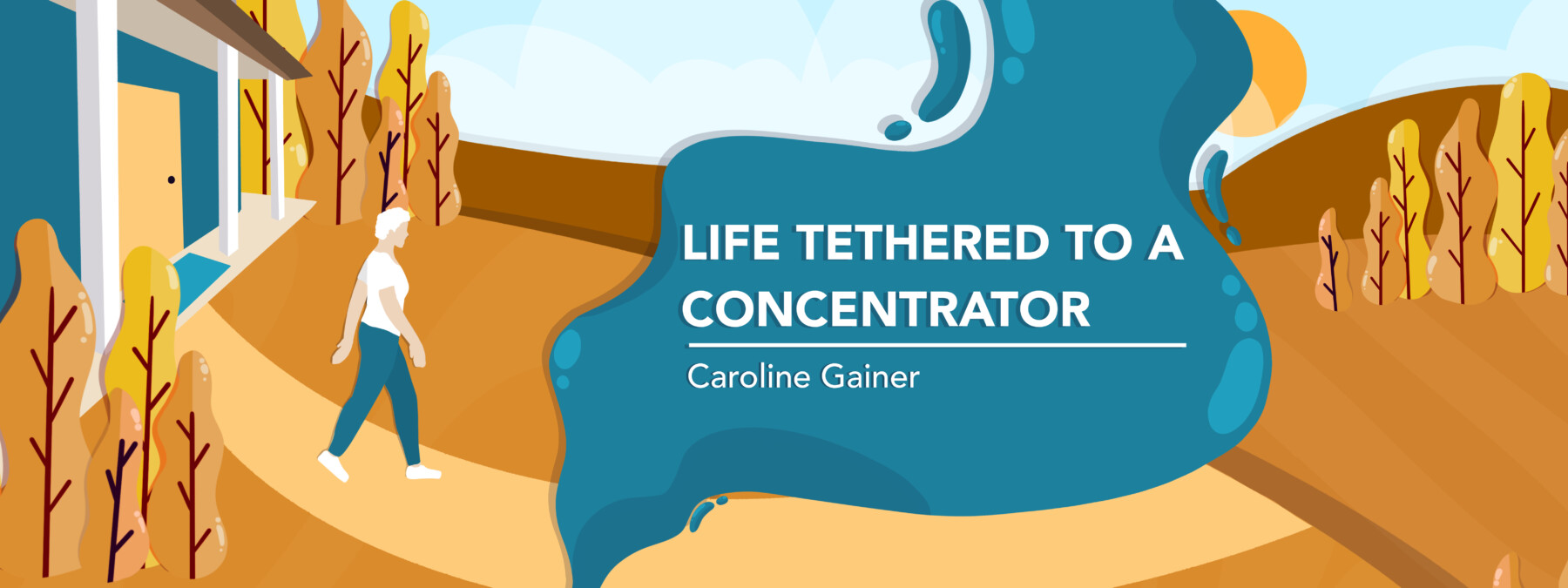
Some days the body whispers; other days it hollers. Mine hollered this week. What it said, I did not want to hear. “It’s one thing a day for a while.” As a chronic obstructive pulmonary disease (COPD) advocate, I knew that this time might come.
I woke up with a list: clean the sunroom, clean the kitchen. Two simple tasks. Two things I’ve done a hundred times without thinking. But after I finished the sunroom, my body leaned back like a tired old hound dog and said, “That’s it. We’re done.” No negotiation. No second wind. Just a hard stop.
For a moment, I wondered if this was a one-off; maybe I’d slept funny, maybe the weather shifted, maybe I’d pushed too hard the day before. But then that old familiar fatigue rolled in, the kind that doesn’t ask permission. The kind that feels like someone quietly turned down the dimmer switch inside your bones.
And here’s the part that confused me most: I had finally started sleeping again.
For weeks, falling asleep had been a nightly battle with tossing, turning, waiting for my mind to settle and my lungs to cooperate. Then, almost out of nowhere, that problem eased. I started drifting off without a fight. I thought, “Well, maybe things are turning around.”
But instead of feeling better, the fatigue arrived like a delayed reaction. It was as if my body waited until I finally slept to say, “Now that you’re still, I can show you how tired you really are.”

One-thing-a-day season
I slept from 11 p.m. until after noon the next day. Thirteen hours. The kind of sleep that looks impressive on paper but doesn’t feel restorative. It felt more like my body had slipped into a repair shop overnight and the mechanics were still working under the hood.
People living with chronic illnesses like COPD, autoimmune conditions, post‑viral fatigue, and pain disorders know this fatigue-initiated dance. You have seasons where you can do two or three things a day, and seasons where you’re back to one. It doesn’t mean you’ve failed. It doesn’t mean you’re lazy. It doesn’t mean you’ve reached some permanent “one‑thing‑a‑day point” in life.
It means your body is under strain, even if you can’t see the reason.
Fatigue is a strange companion. Sometimes it arrives with a clear explanation like an infection, a flare, or a stressful week. Other times it slips in quietly, like fog settling into a valley. You don’t notice it at first. You just realize you’re moving slower, thinking slower, cleaning slower. You realize the second task on your list has become a mountain instead of a molehill.
And here’s the truth I’m learning, again and again: Your body will tell you when it’s time to slow down. You just have to listen even when you don’t want to.
COPD may not be the main issue, but it’s always part of the equation. It’s like carrying a backpack full of rocks — you can still walk, still work, still clean — but everything weighs more. And when something else joins the load, even something small, the whole system tilts.
So if you find yourself suddenly back in the one‑thing‑a‑day season, don’t panic. Don’t judge yourself. Don’t assume it’s permanent. Bodies with chronic conditions are like Appalachian weather — unpredictable, surprising, capable of giving you a warm day in February and a cold snap in April.
This is a cold snap. It will pass. It always has before.
But while you’re in it, give yourself permission to do one thing a day. One thing well. One thing without guilt. The kitchen will wait. The world will wait. Your body is doing the best it can with the energy it has, and that is enough.
If you’re reading this and nodding because you’ve been here too, let me tell you what I’m telling myself: You’re not broken. You’re not falling behind. You’re not failing. You’re adjusting.
And adjusting is its own kind of strength.
Note: COPD News Today is strictly a news and information website about the disease. It does not provide medical advice, diagnosis, or treatment. This content is not intended to be a substitute for professional medical advice, diagnosis, or treatment. Always consult your physician or other qualified healthcare provider with any questions you may have regarding a medical condition. Never disregard professional medical advice or delay in seeking it because of something you have read on this website. The opinions expressed in this column are not those of COPD News Today or its parent company, Bionews, and are intended to spark discussion about issues about chronic obstructive pulmonary disease.

Leave a comment
Fill in the required fields to post. Your email address will not be published.